 WaterCalcLab
Water storage
Practical tools and clear methods for your next water decision.
Rainwater Tank Size Calculator
Size usable storage for a chosen rainless interval and compare annual supply with constant annual demand. Rainfall here must be annual.
Open calculator ↗Water storageRainwater Storage Duration Calculator
Divide usable storage by a constant daily demand to estimate rainless supply duration.
Open calculator ↗Water storageWater Tank Volume Calculator
Calculate exact geometry from internal dimensions for a vertical cylinder, box or sphere.
Open calculator ↗Water storageWater Tank Fill Time Calculator
Estimate refill time from current contents and a constant inlet flow.
Open calculator ↗Water storageWater Consumption Calculator
Scale a measured or selected per-person use over a period.
Open calculator ↗Water storageWater Pump Flow Calculator
Convert electrical power into a theoretical flow at specified total dynamic head and overall efficiency.
Open calculator ↗Knowledge & next steps
 Water storage
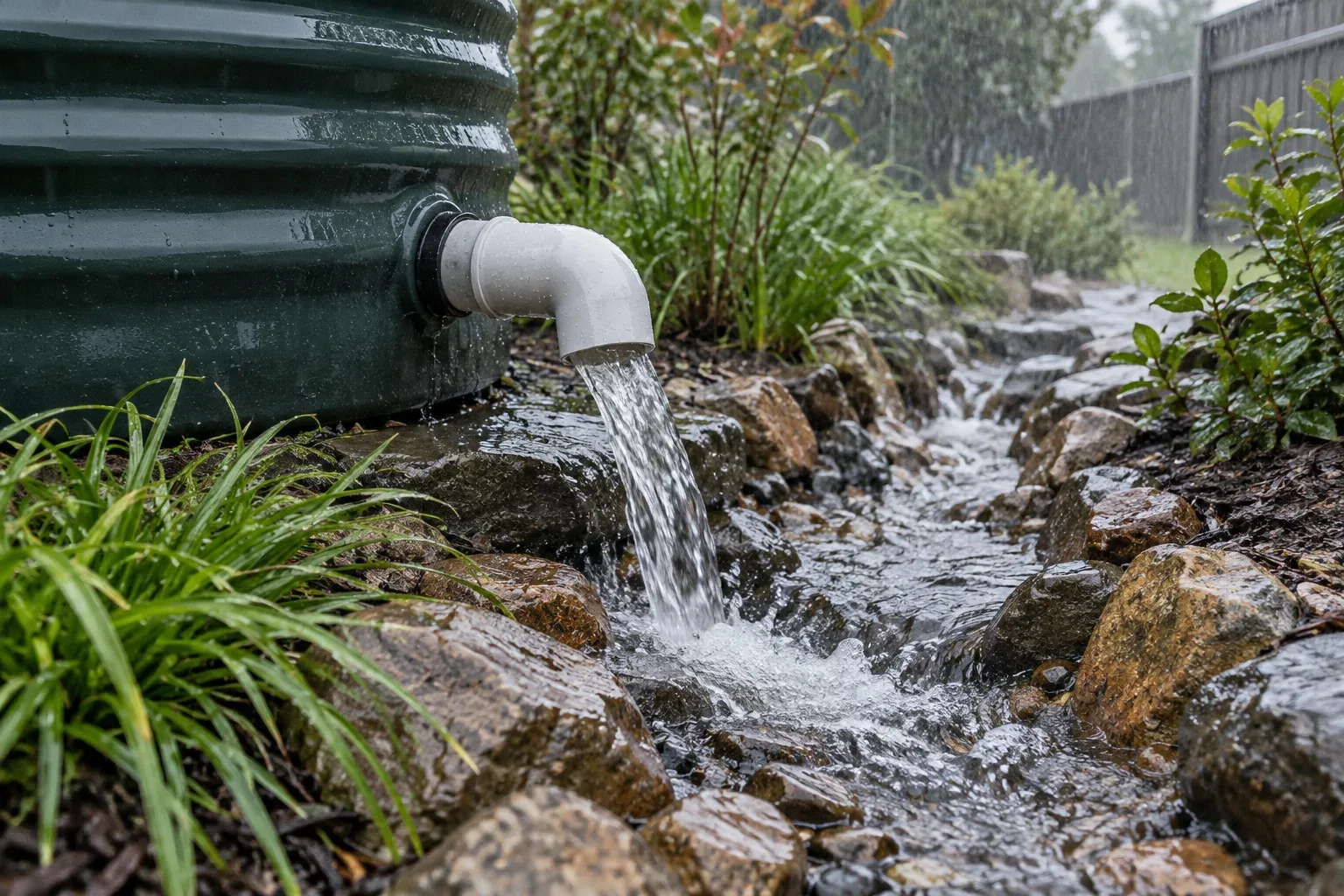
Understanding Rainwater Overflow
A collection system needs somewhere for incoming water to go after the tank reaches its operating limit. Plan that route from the start rather than treating every overflow as a malfunction. Distinguish a full-tank overflow from water escaping at a blocked gutter or inlet; the latter can occur even while substantial storage space remains available.
Read guide ↗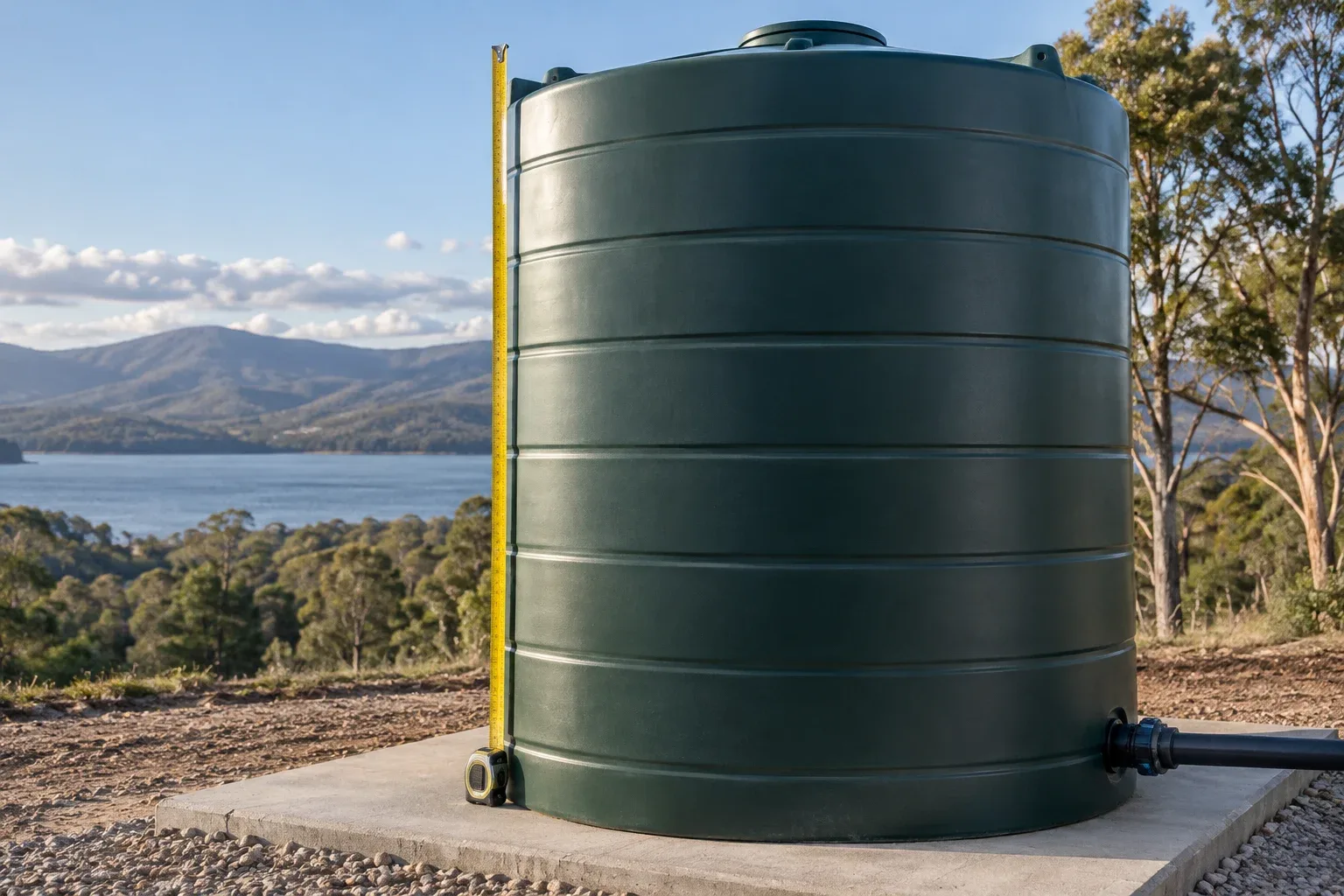 Water storage
How to Calculate Tank Capacity
Geometry tells you the volume inside a shape. Sizing asks whether that volume matches supply and demand. Establish which question you need to solve. A correctly calculated cylinder volume can still be an unsuitable garden supply. Conversely, an appropriate capacity target needs product dimensions and operating levels to confirm how much water can actually be stored.
Read guide ↗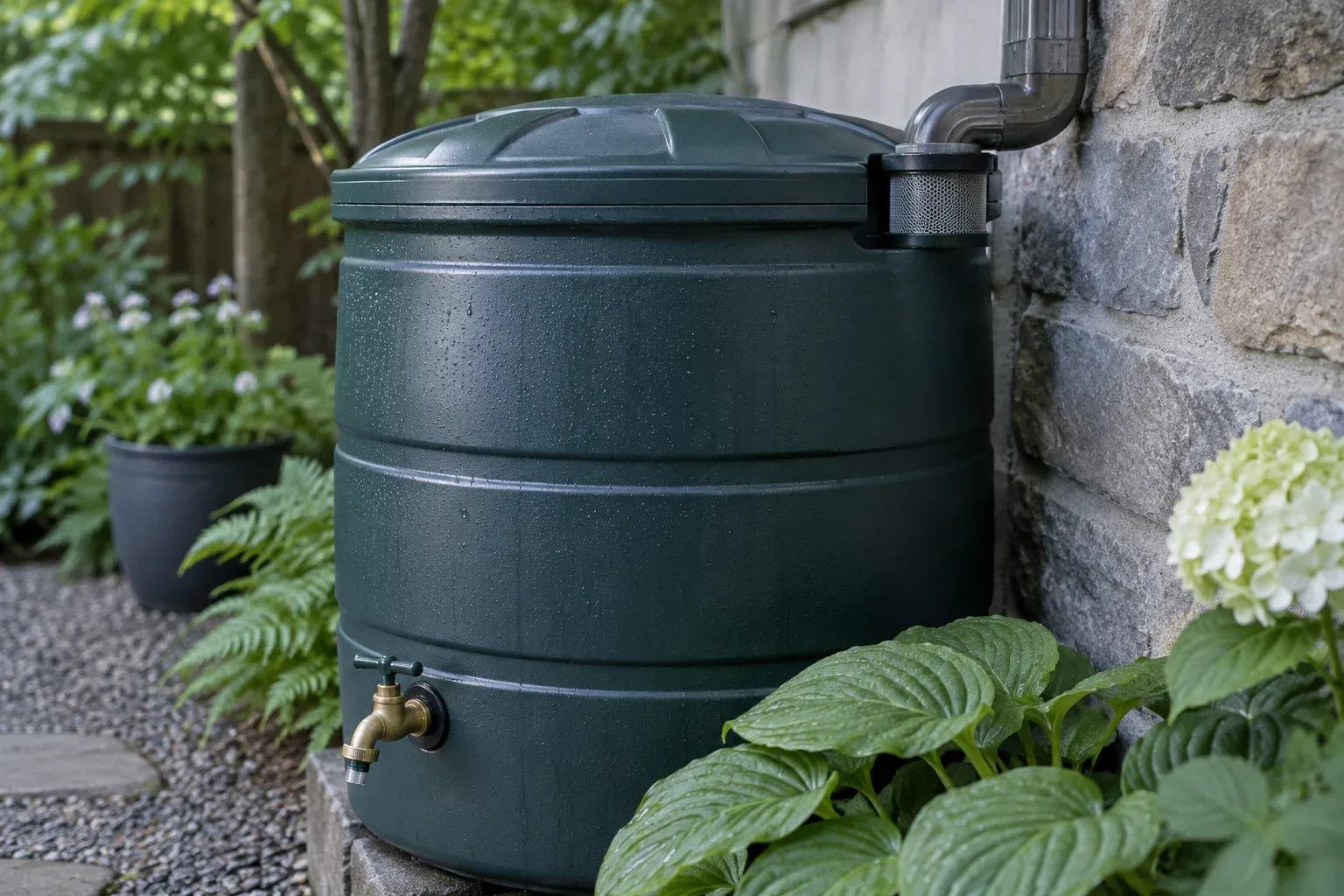 Water storage
How Long Does Stored Rainwater Last?
The question has two meanings: how long a volume can supply demand and how long water remains suitable for a particular use. Only the first can be answered with a simple volume calculation. Suitability depends on source water, storage conditions, treatment and exposure. A calculator showing a number of days is not a water-quality expiry date.
Read guide ↗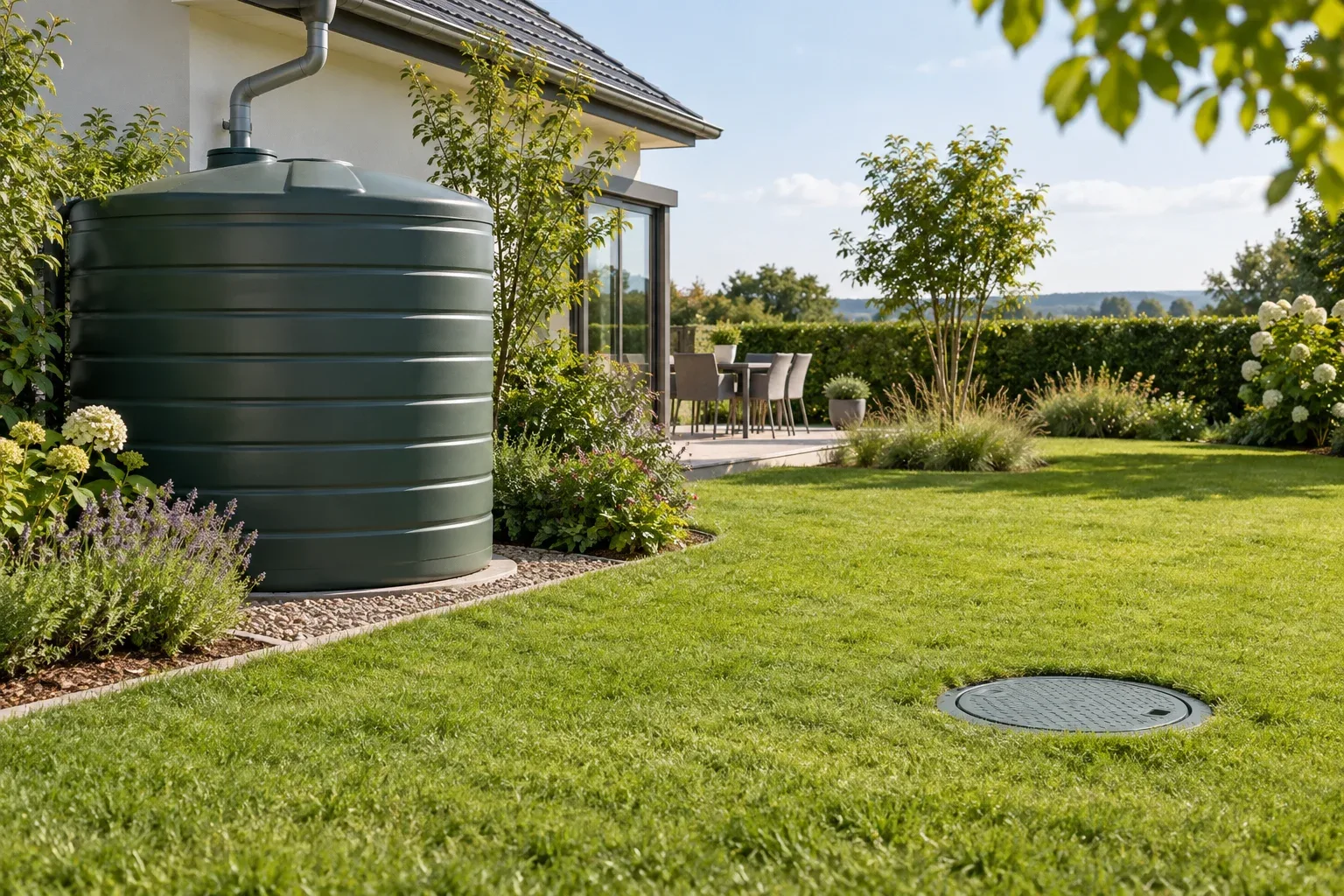 Water storage
Above-Ground vs Underground Water Tanks
Above-ground and buried storage solve different space problems. Sketch available surface area, entrances, utility routes, groundwater conditions and intended tank access. An underground option may preserve garden space, while a surface option may simplify inspection. Neither benefit establishes suitability on its own. Ground conditions and product-specific installation limits need professional assessment.
Read guide ↗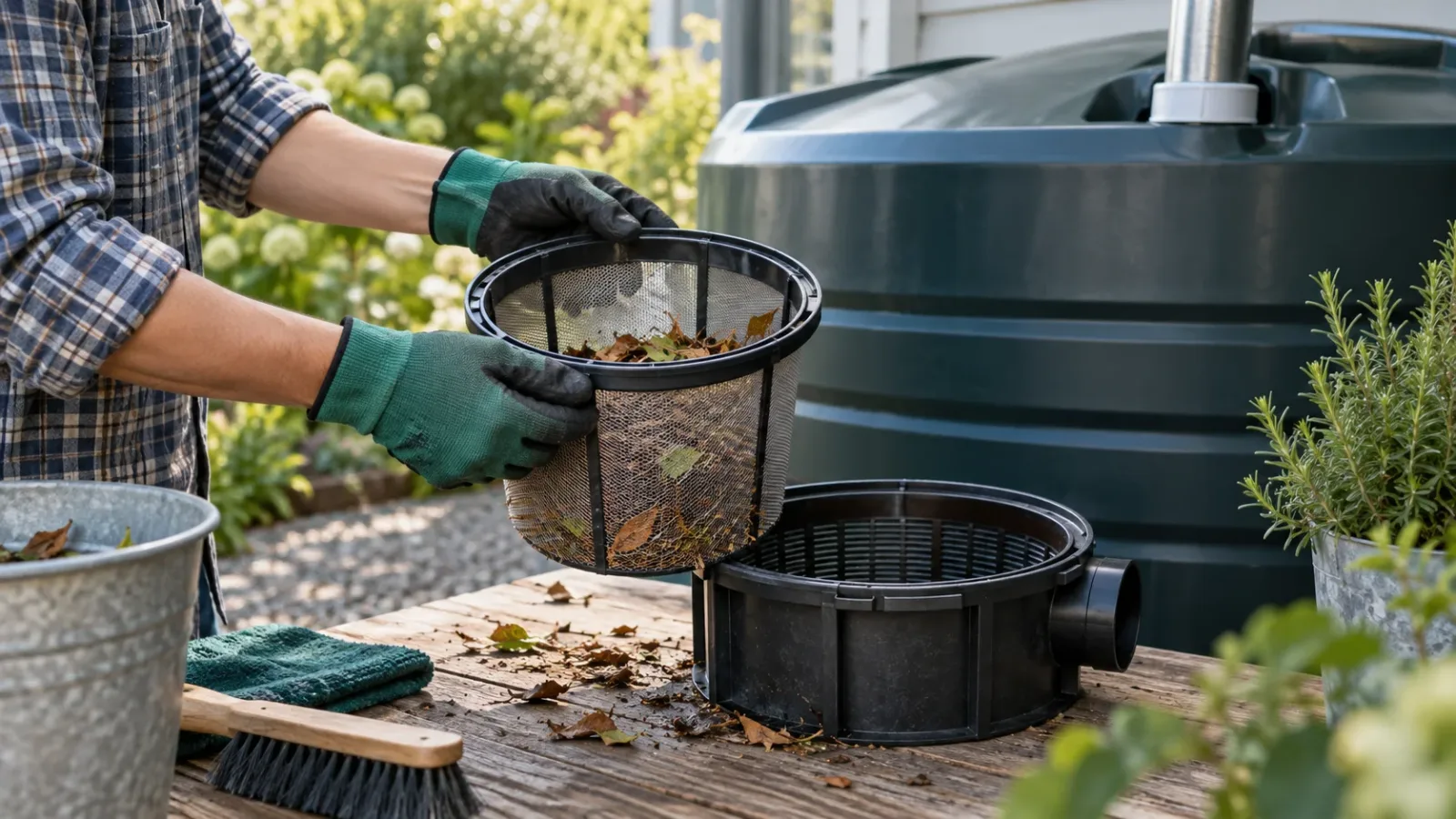 Water storage
Rainwater Tank Maintenance
List installed components, manufacturer instructions, inspection access and the person responsible for each task. Include the roof collection route, screens, tank, overflow, valves and delivery equipment. A maintenance plan should make a fault easy to identify and isolate. Follow product requirements rather than adopting an unsupported universal cleaning interval for every climate and use.
Read guide ↗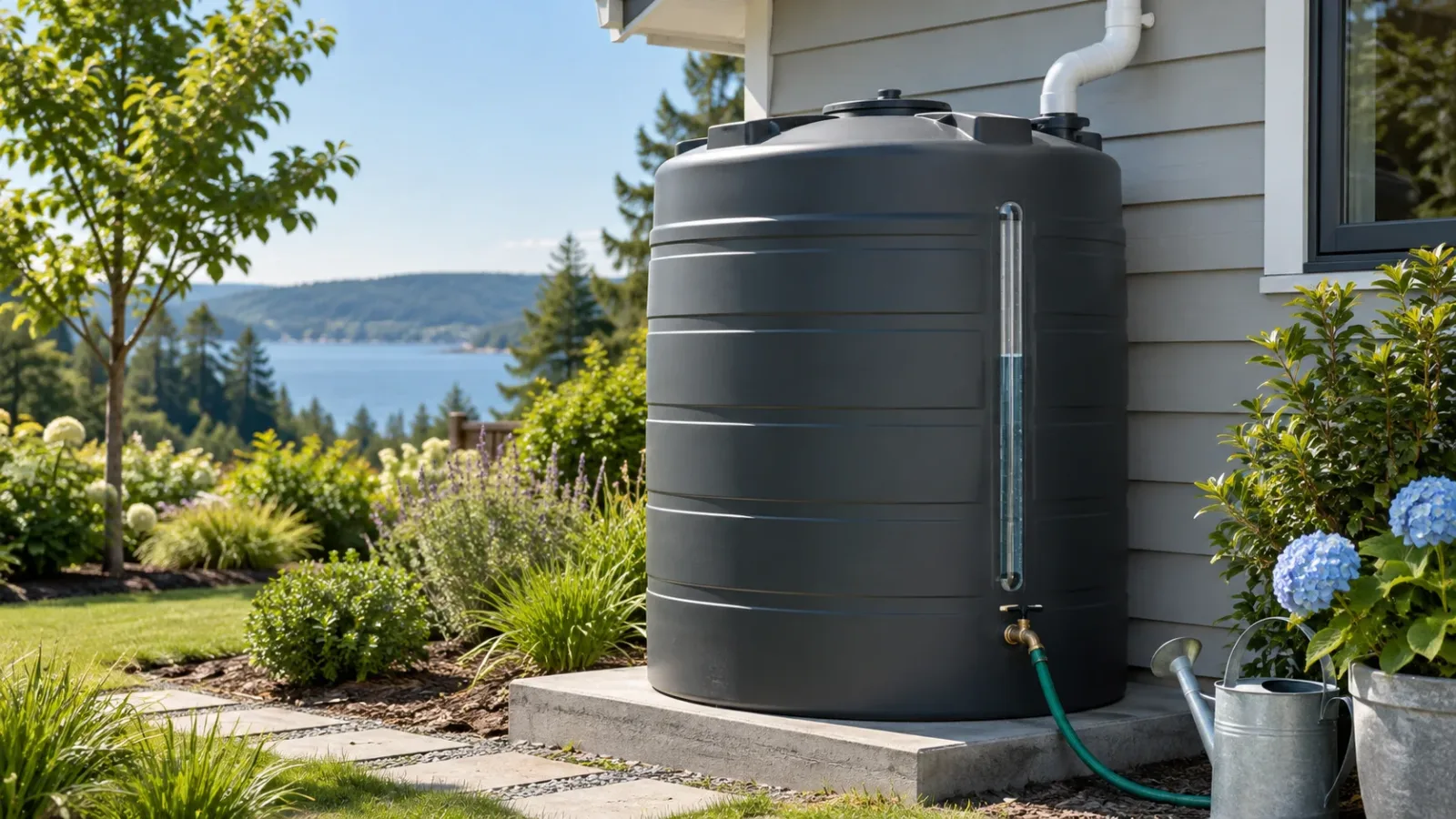 Water storage
How to Choose a Rainwater Tank
Write a short specification describing the uses, required usable volume, outlet flow, installation space and maintenance access. A tank is one component of a system, so compare options against the same specification. A bigger container is not automatically better if it cannot be filled regularly, is difficult to service or needs a costly pump arrangement.
Read guide ↗