WaterCalcLab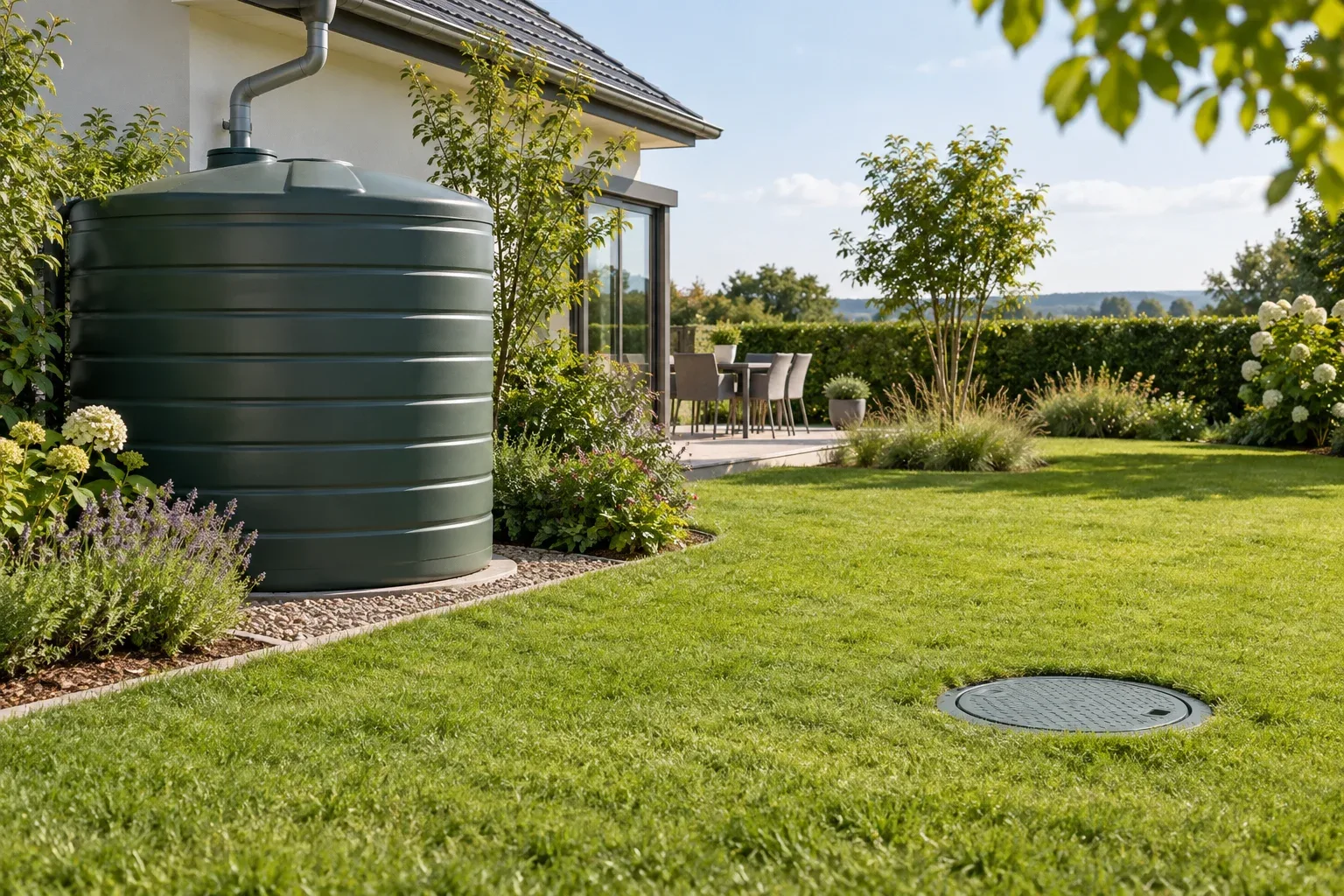
Compare site constraints first
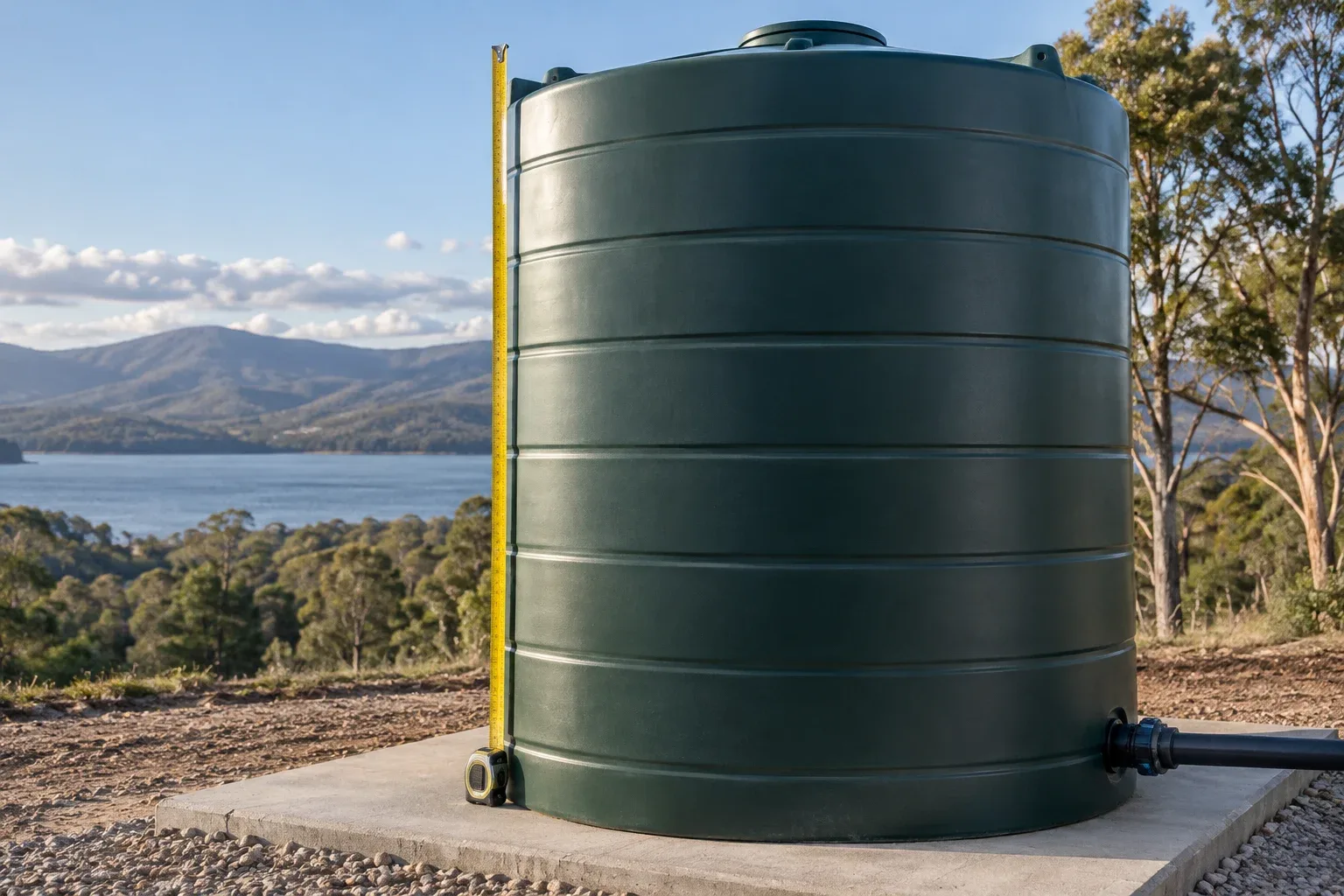
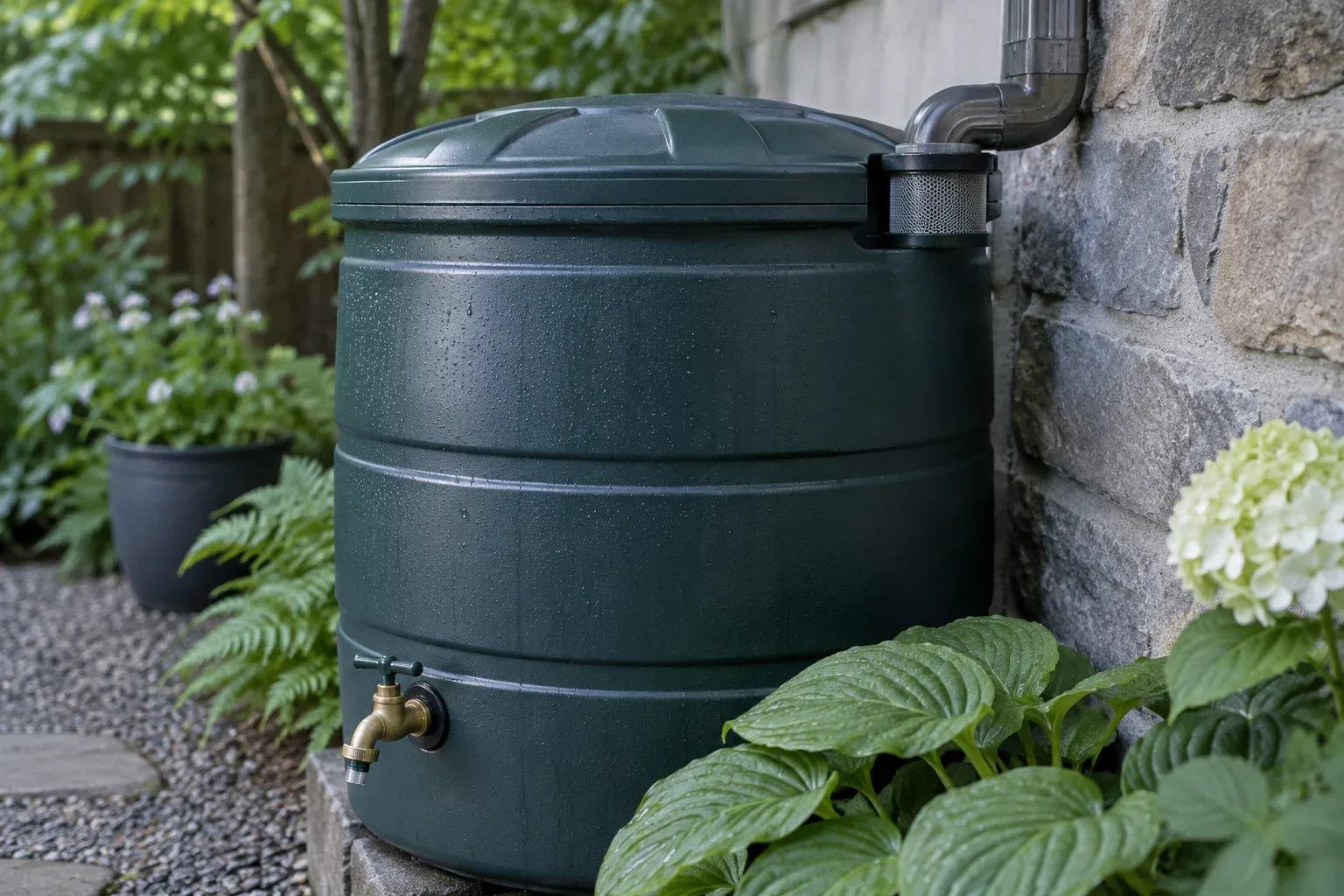
Above-ground and buried storage solve different space problems. Sketch available surface area, entrances, utility routes, groundwater conditions and intended tank access. An underground option may preserve garden space, while a surface option may simplify inspection. Neither benefit establishes suitability on its own. Ground conditions and product-specific installation limits need professional assessment.
Use equivalent capacity and scope
Compare equal usable storage rather than equal external dimensions. Require both estimates to include necessary connections, foundations or excavation, overflow and delivery to the same endpoint. Note whether landscape reinstatement and spoil removal are included. Buried tanks must be designed for burial and any expected surface loads; a general container should not be assumed suitable.
A 1,500 difference appears only after including support, excavation and reinstatement.
Illustrative 3,000 L installations; figures are not market prices.
An illustrative quote comparison
Suppose a 3,000 litre above-ground installation is quoted at 1,800 currency units plus 300 for delivery and support. A buried installation costs 2,000 for the tank, 1,200 for excavation and 400 for reinstatement. Comparable totals are 2,100 and 3,600, a difference of 1,500. These figures illustrate a quotation method; they are not market prices or regional cost guidance.
Review access and operational demands
Decide how filters will be cleaned, valves isolated and a failed pump replaced. A buried system needs accessible inspection points that remain identifiable after landscaping. A surface system must accommodate sunlight, weather exposure and local freezing conditions according to its instructions. Consider pump requirements from water levels and endpoint pressure rather than choosing equipment solely from nominal tank volume.
Account for unusual site risks
Ask about high groundwater, flotation resistance, utility clearance and vehicle loading before excavation. Above ground, verify structural support and safe positioning relative to doors and buildings. Installation advice must match the actual product and site. The comparison calculator does not design retaining structures, assess soil bearing capacity or approve any tank for burial.
Comparison checklist
- Match usable capacities.
- Obtain itemized complete quotes.
- Check excavation and utility constraints.
- Confirm burial or surface certification for the product.
- Retain inspection access.
- Assess pump replacement.
- Include reinstatement.
- Document unresolved site risks before selecting the lower-priced option.