 WaterCalcLab
Guides
Practical tools and clear methods for your next water decision.
Knowledge & next steps
 Costs & savings
Rainwater System Payback Period
Simple payback divides initial investment by annual net cash savings. Net means avoided consumption charges minus relevant recurring costs. Gross roof collection is not an annual cash saving. Estimate water that actually replaces billed use, check the applicable tariff and keep assumptions dated. The calculation is a planning scenario, not a guaranteed investment return.
Read guide ↗ Costs & savings
Understanding Water Costs
Find billed volume, billing period, volume units, fixed charges and the consumption-dependent tariff. Check whether water and wastewater appear separately. Utilities can use cubic metres, gallons or other billing units. Convert the volume first, then calculate cost. A bill total divided by volume may be an average paid rate, but it is not necessarily the rate avoided by using one less unit.
Read guide ↗ Costs & savings
How to Calculate Water Savings
Decide whether savings mean less utility water, less total water used or lower expenditure. Rainwater substitution can reduce utility demand without reducing total garden use. More efficient irrigation may reduce both. Keep these measures separate so one benefit is not counted twice. Describe the baseline and the proposed change before presenting a percentage.
Read guide ↗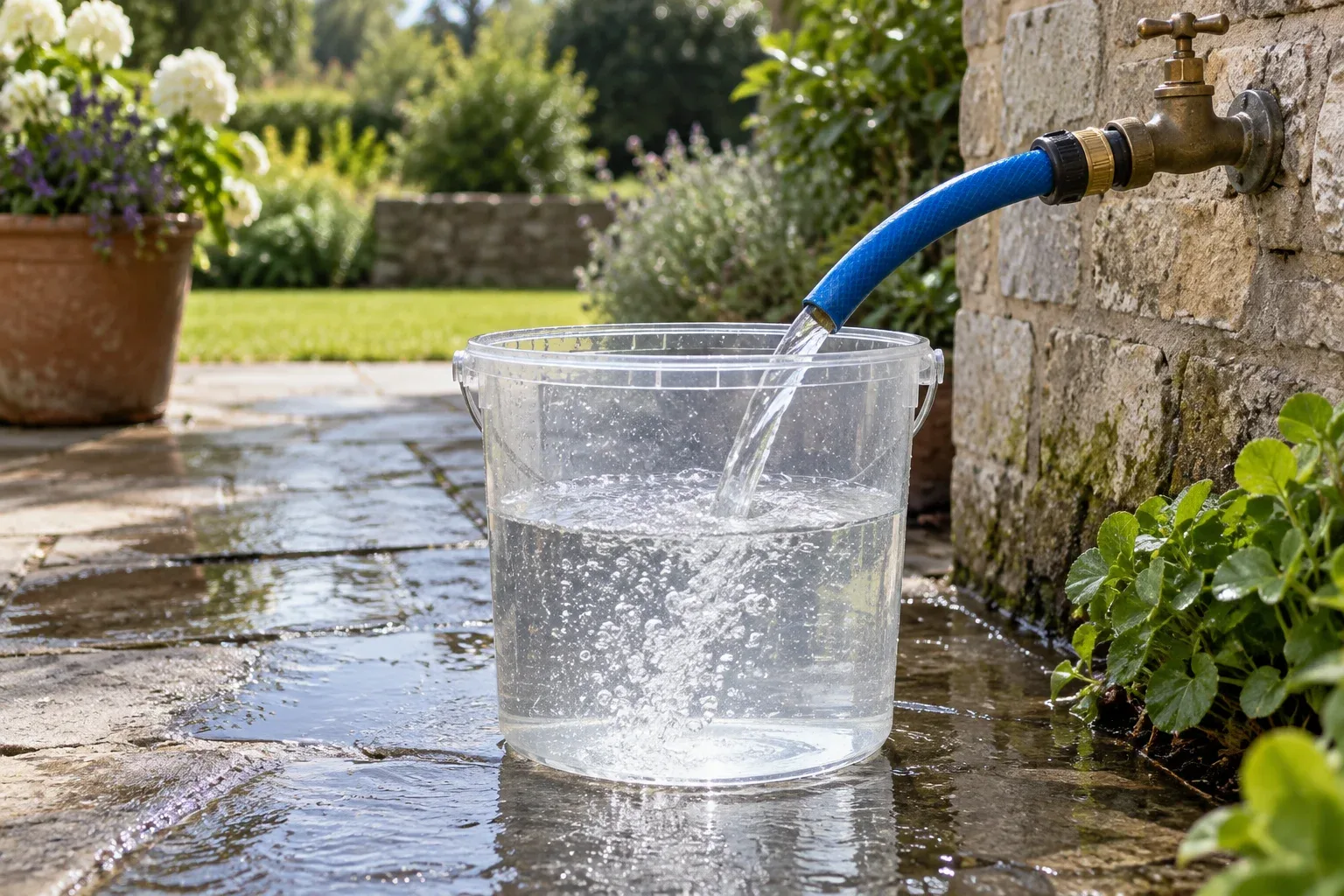 Garden irrigation
Understanding Irrigation Flow Rates
Flow rate tells you how quickly water moves, not whether plants need that amount or whether pressure is adequate. Keep litres per minute distinct from litres per hour. A zone total is the combined demand of the outlets operating together. Read product ratings at the stated operating pressure and do not assume every outlet reaches its label flow under every installation condition.
Read guide ↗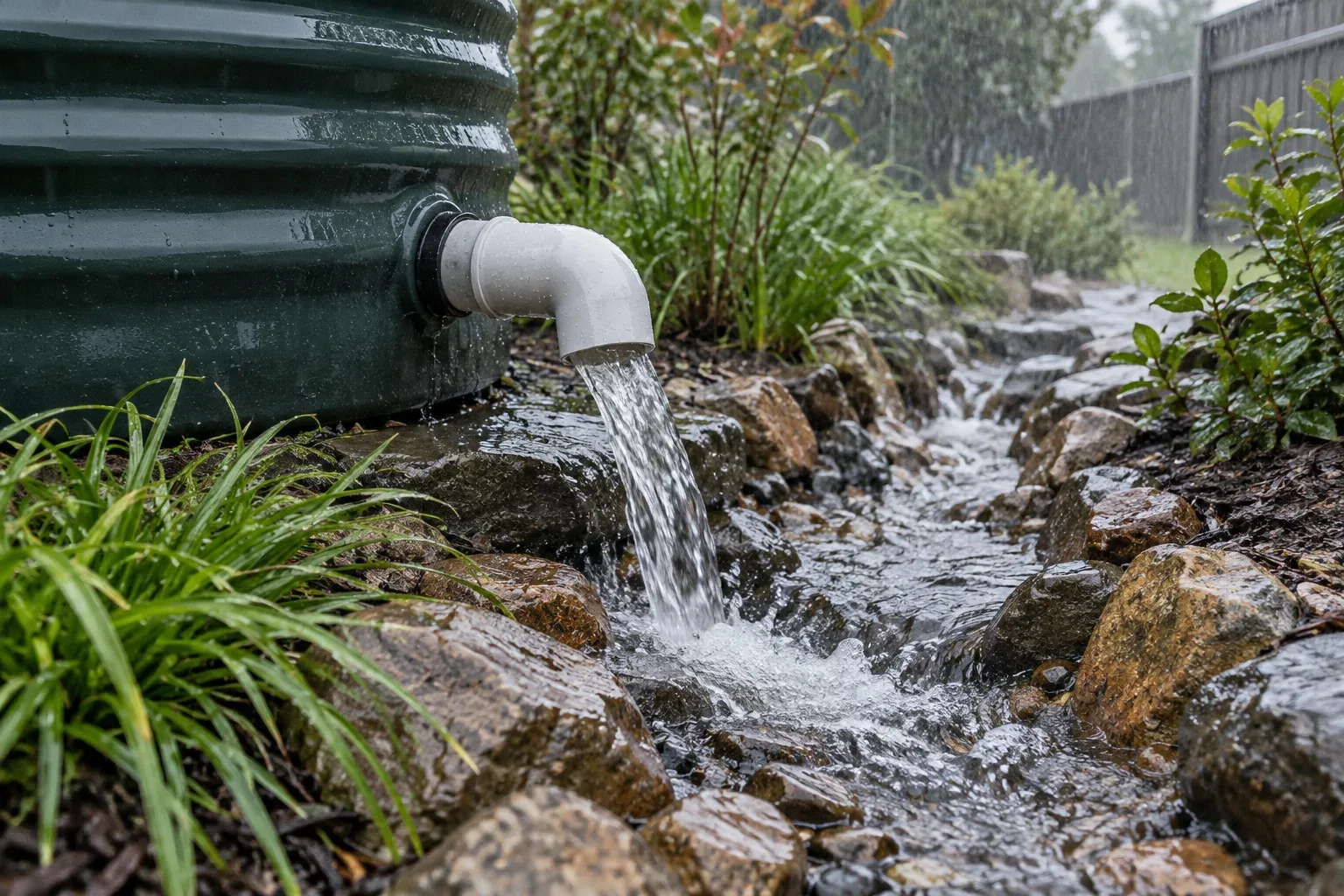 Water storage
Understanding Rainwater Overflow
A collection system needs somewhere for incoming water to go after the tank reaches its operating limit. Plan that route from the start rather than treating every overflow as a malfunction. Distinguish a full-tank overflow from water escaping at a blocked gutter or inlet; the latter can occur even while substantial storage space remains available.
Read guide ↗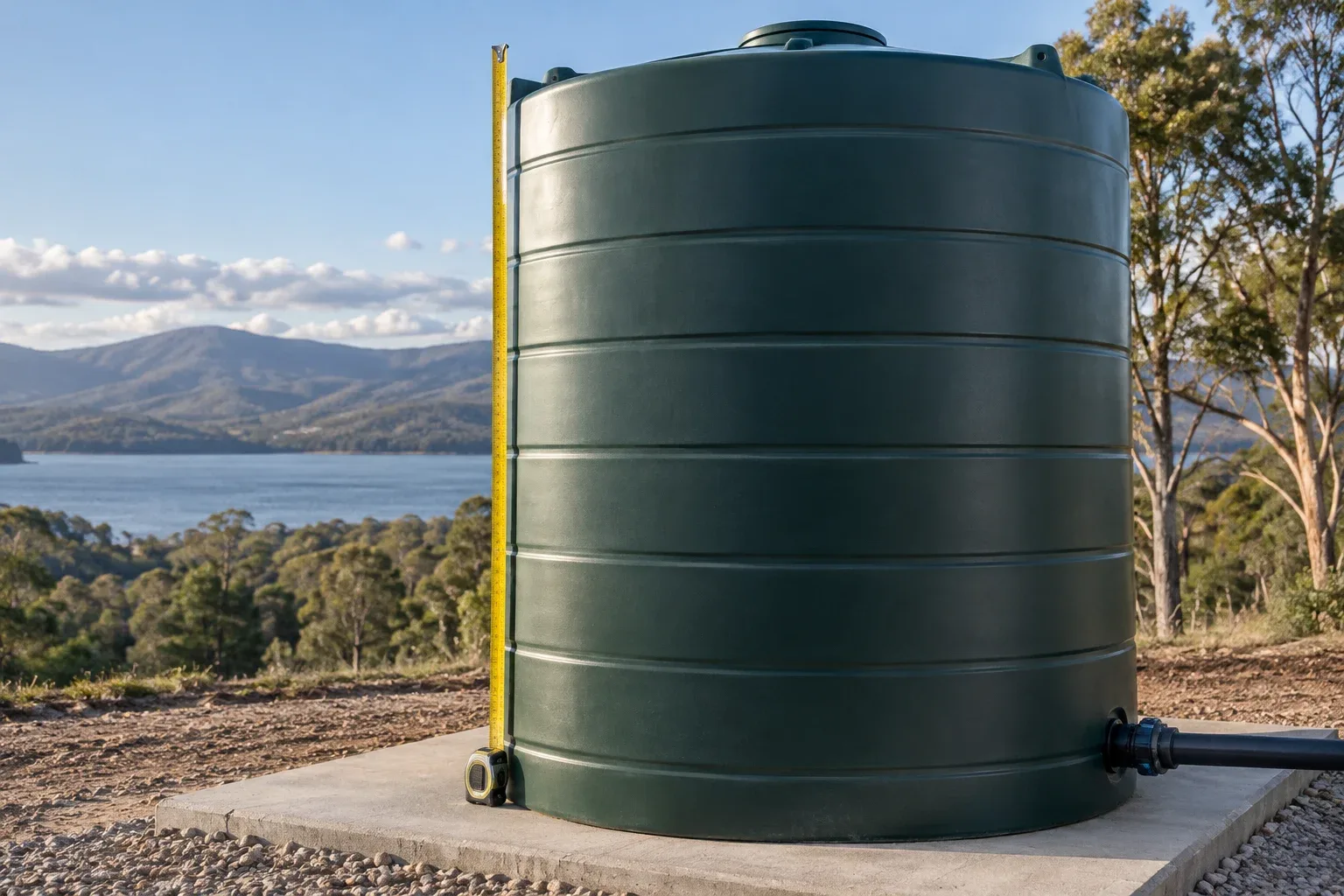 Water storage
How to Calculate Tank Capacity
Geometry tells you the volume inside a shape. Sizing asks whether that volume matches supply and demand. Establish which question you need to solve. A correctly calculated cylinder volume can still be an unsuitable garden supply. Conversely, an appropriate capacity target needs product dimensions and operating levels to confirm how much water can actually be stored.
Read guide ↗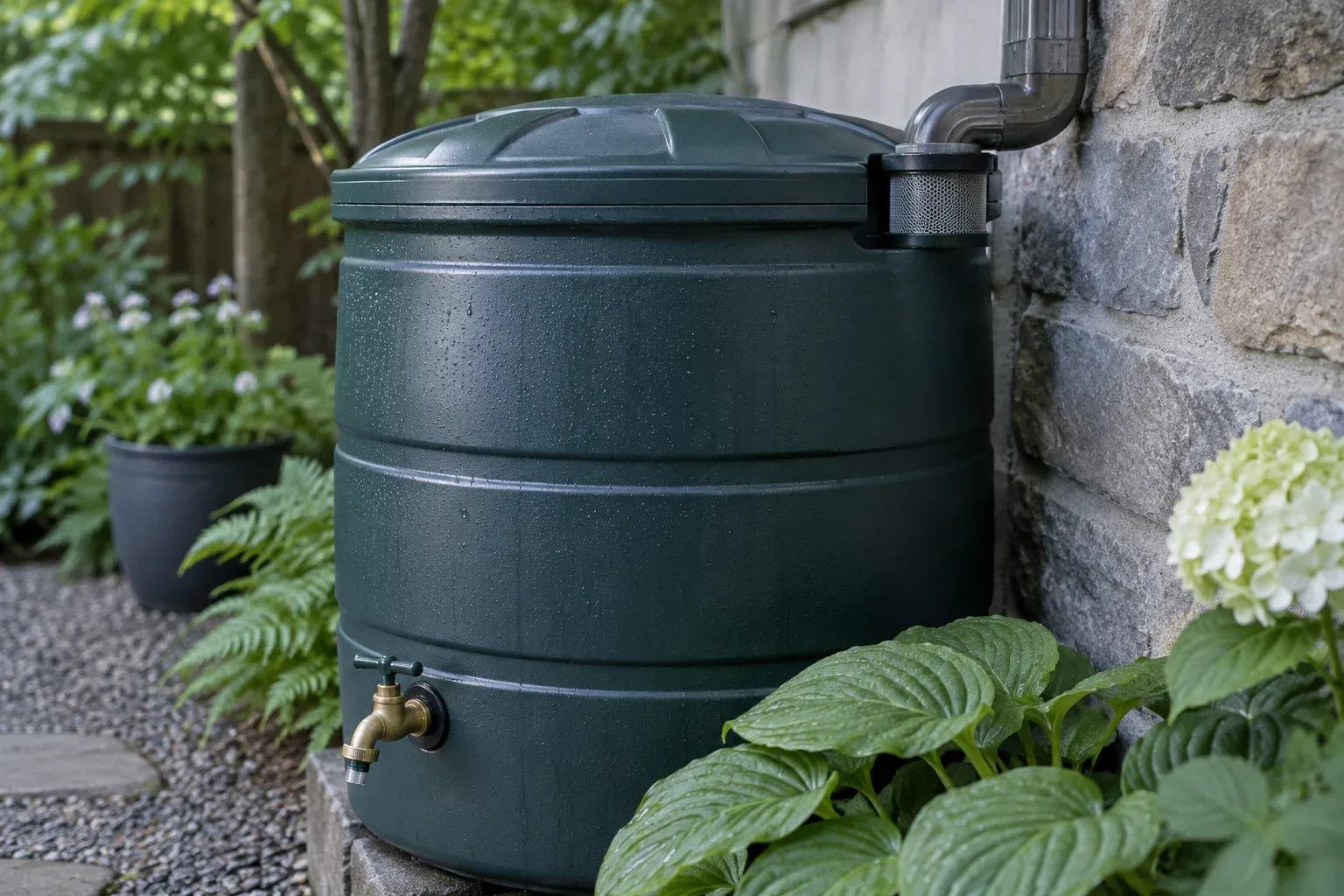 Water storage
How Long Does Stored Rainwater Last?
The question has two meanings: how long a volume can supply demand and how long water remains suitable for a particular use. Only the first can be answered with a simple volume calculation. Suitability depends on source water, storage conditions, treatment and exposure. A calculator showing a number of days is not a water-quality expiry date.
Read guide ↗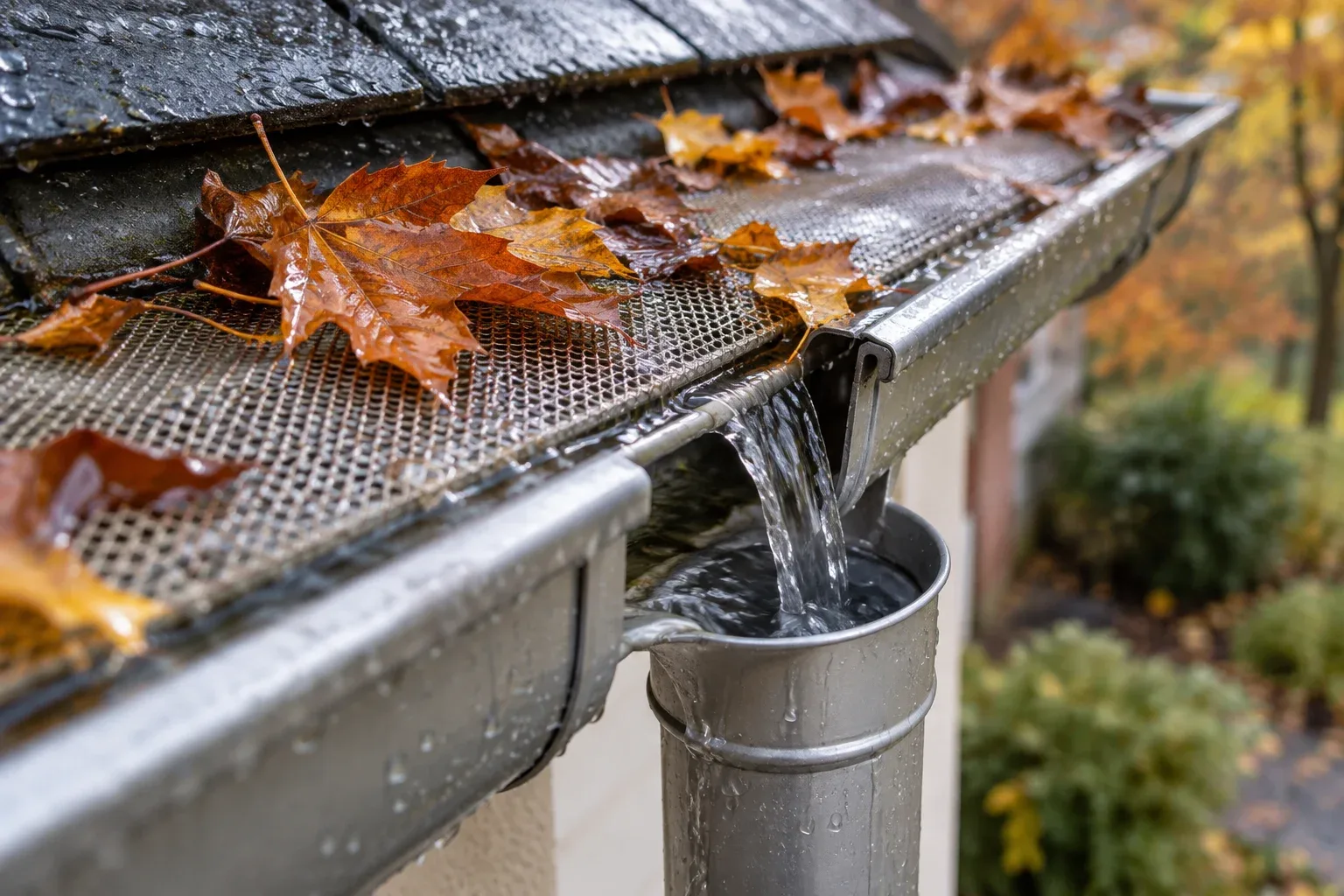 Rainwater harvesting
Rainwater Collection Efficiency Explained
An efficiency value needs a beginning and an end. Roof runoff relative to rainfall is different from tank inflow relative to roof runoff, and both differ from useful withdrawals relative to annual rainfall. Write the boundary beside every coefficient. Without that description, two apparently conflicting percentages may simply describe different stages of the same system.
Read guide ↗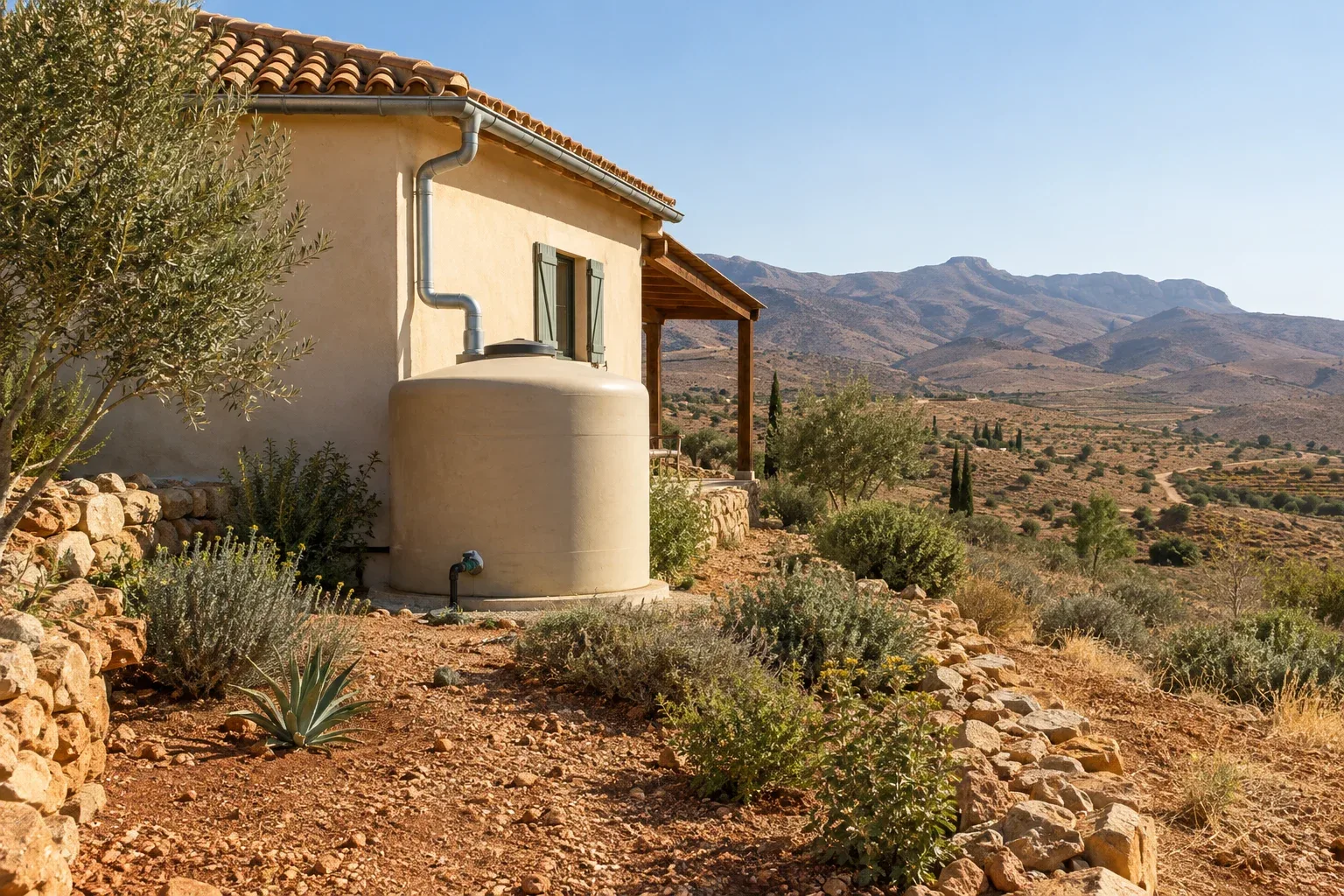 Rainwater harvesting
Rainwater Harvesting in Dry Climates
In a dry climate, a useful annual rainfall total can still arrive in a few events separated by long rainless periods. Describe the longest relevant gap and which uses must continue through it. Decide whether rainwater is a supplemental source or a supply expected to meet essential demand. These two objectives lead to very different acceptable risks and storage requirements.
Read guide ↗ Rainwater harvesting
Best Roof Types for Rainwater Collection
The best roof for a project is not necessarily the roof with the highest estimated runoff. Start with its condition, maintenance access, material documentation and intended water use. Replacing a serviceable roof solely to increase yield requires a separate financial and environmental comparison. Collection equipment should not conceal a deteriorating roof or prevent necessary repairs.
Read guide ↗ Costs & savings
Water Conservation at Home
List regular activities and any fixtures or equipment involved. Record occupancy and separate indoor use from irrigation where possible. Meter readings reveal the whole-home total; event measurements explain where it goes. Focus first on avoidable use that can be changed without compromising necessary hygiene, health or the performance of essential equipment.
Read guide ↗ Costs & savings
Rainwater Harvesting Costs
Describe connected roof area, usable storage, permitted end uses and the delivery endpoint before requesting quotes. Ask each installer to price the same scope. A barrel-and-hose arrangement and a buried, pumped building system are different projects. A useful budget makes those differences visible rather than combining them into one unsupported international average installation price.
Read guide ↗ Garden irrigation
Watering Different Soil Types
Texture helps describe water retention and movement, but rooting depth, compaction, organic matter, slope and current wetness also matter. Identify the soil in each relevant bed rather than assuming the whole property is uniform. Use observation or appropriate testing. A soil label alone cannot justify an exact interval for every plant and weather condition.
Read guide ↗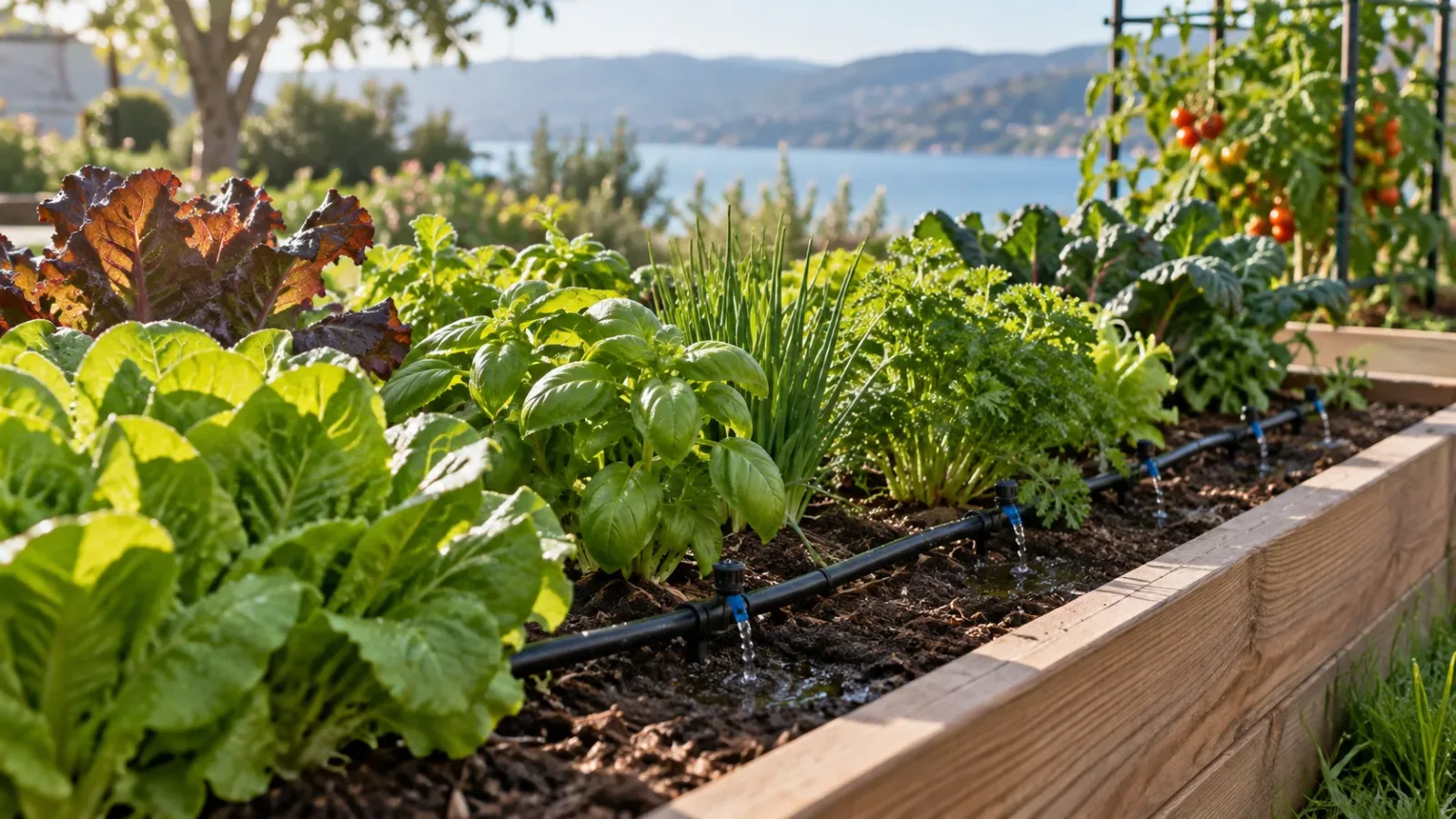 Garden irrigation
How Much Water Does a Garden Need?
Measure the beds actually being irrigated and choose a period such as one week. Exclude paved paths from the watered area unless overspray is being measured as a loss. Separate plants with different needs rather than applying one garden-wide depth without explanation. A container, vegetable bed and mature shrub zone may need different schedules even on the same property.
Read guide ↗ Water storage
Rainwater Tank Maintenance
List installed components, manufacturer instructions, inspection access and the person responsible for each task. Include the roof collection route, screens, tank, overflow, valves and delivery equipment. A maintenance plan should make a fault easy to identify and isolate. Follow product requirements rather than adopting an unsupported universal cleaning interval for every climate and use.
Read guide ↗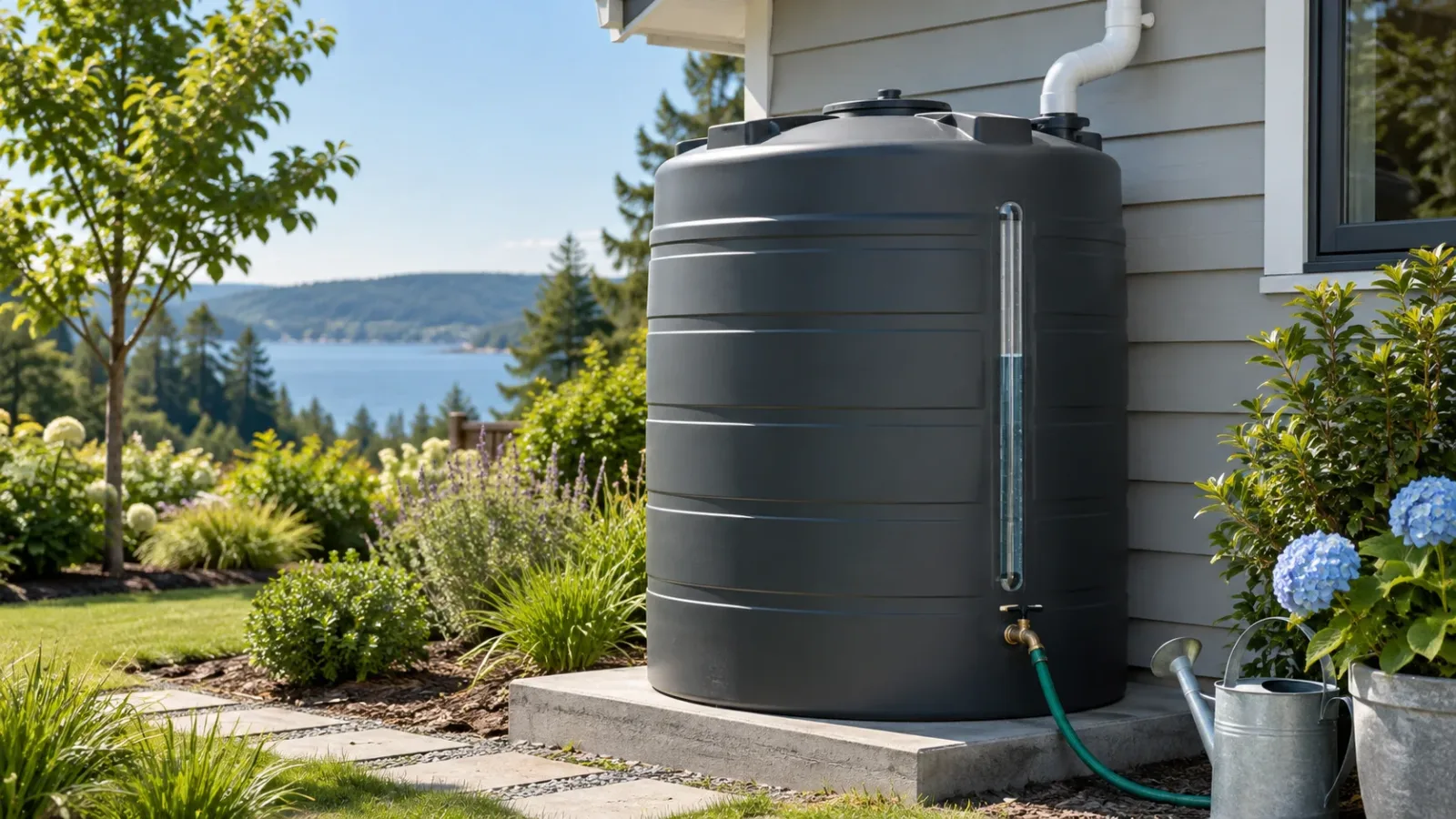 Water storage
How to Choose a Rainwater Tank
Write a short specification describing the uses, required usable volume, outlet flow, installation space and maintenance access. A tank is one component of a system, so compare options against the same specification. A bigger container is not automatically better if it cannot be filled regularly, is difficult to service or needs a costly pump arrangement.
Read guide ↗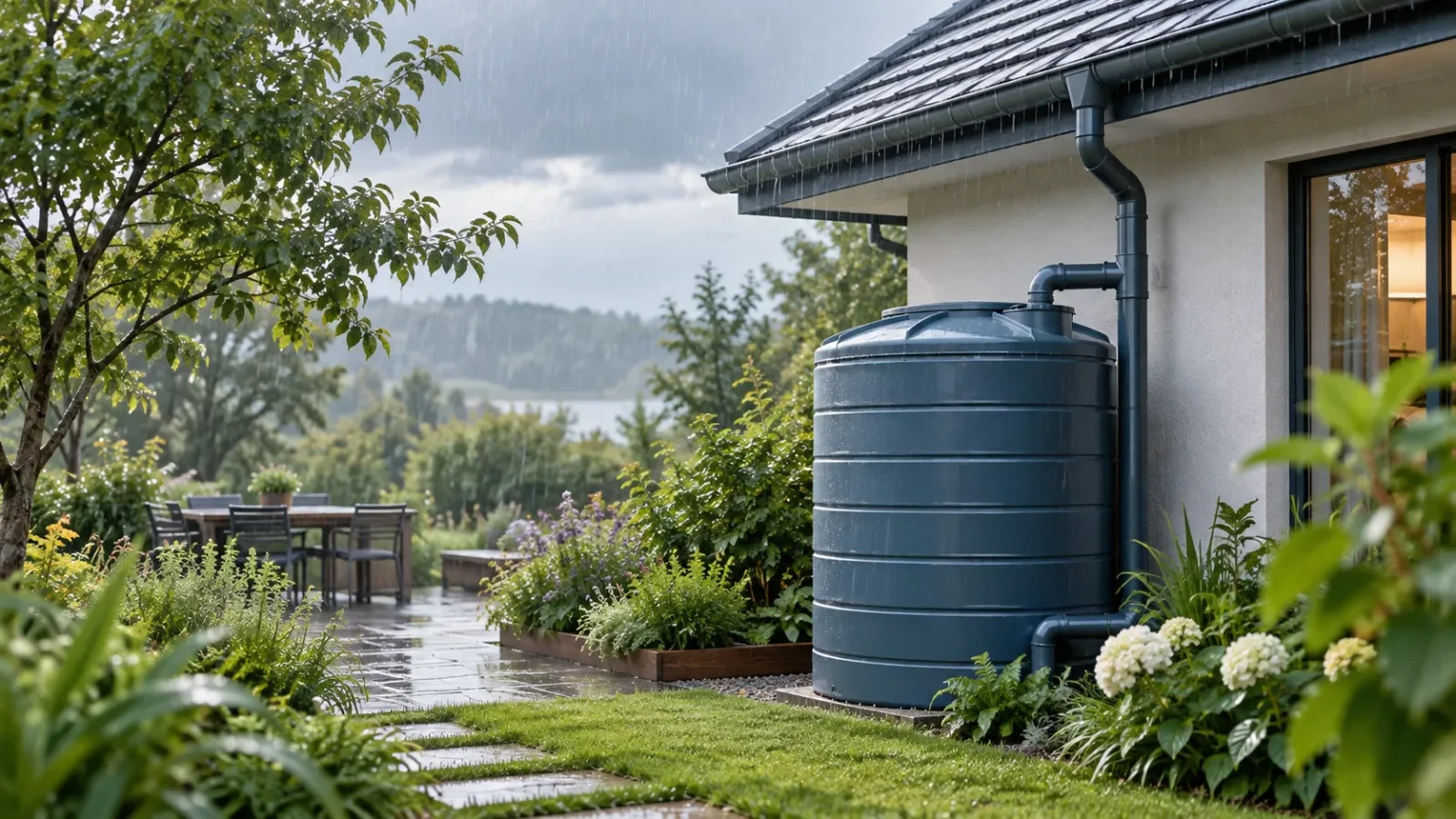 Rainwater harvesting
How Rainwater Harvesting Works
A rainwater system is easiest to understand as a route with checkpoints. Identify the connected roof, follow each gutter to its downpipe, locate the inlet and then trace the outlet to the watering point. A large roof disconnected from the tank contributes nothing. Draw this route before comparing storage products; it often exposes the missing connection that changes a project.
Read guide ↗