 WaterCalcLab
Blog
Practical tools and clear methods for your next water decision.
Knowledge & next steps
 Costs & savings
Common Water Waste Problems
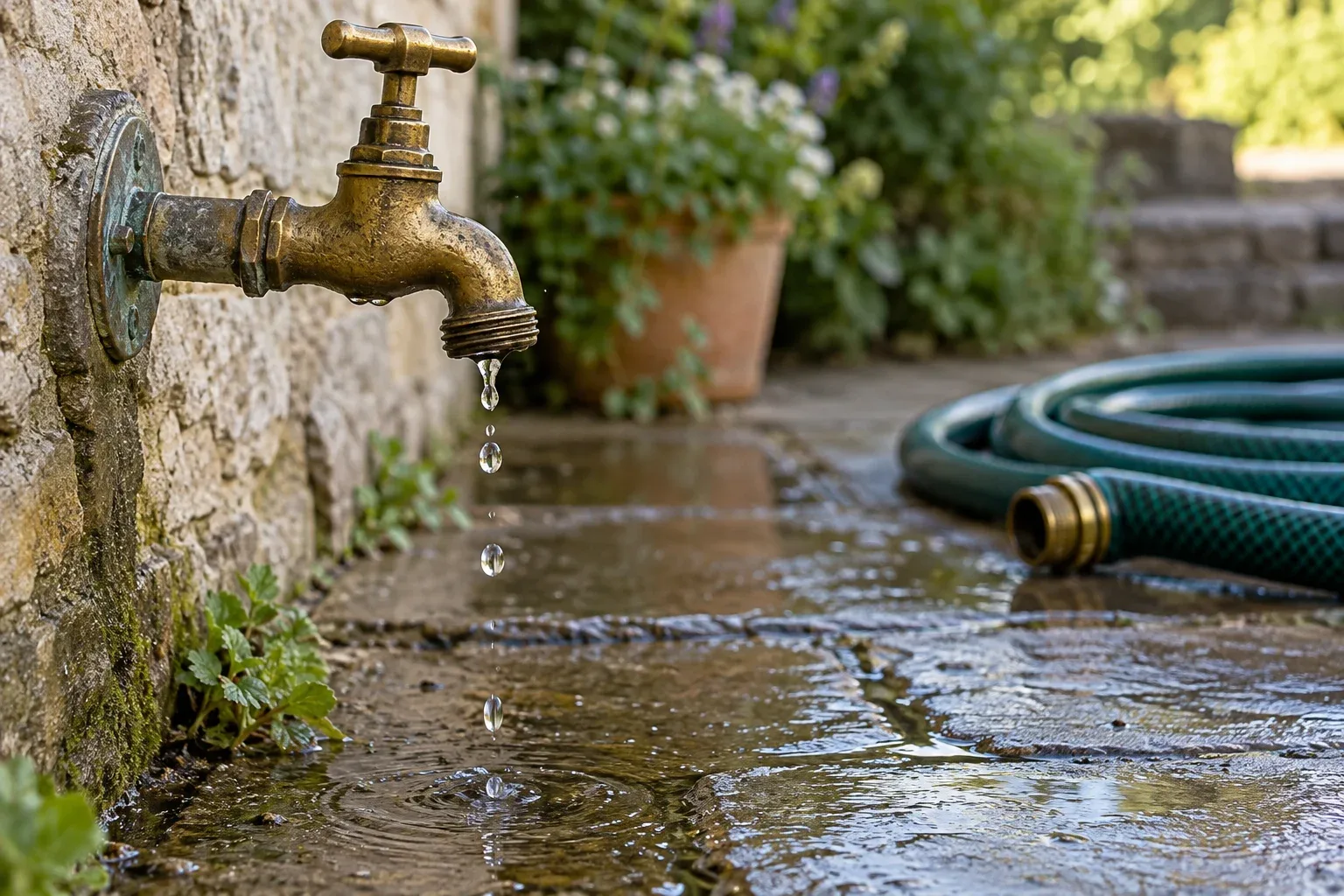
Unexpected bills, damp areas, dripping fixtures and irrigation running after shutdown can signal unnecessary consumption. Start with an observation log including time and which equipment was operating. Avoid assuming every damp patch is a pipe leak; rainfall, drainage and other causes can produce similar symptoms. Investigate systematically before choosing a repair.
Read guide ↗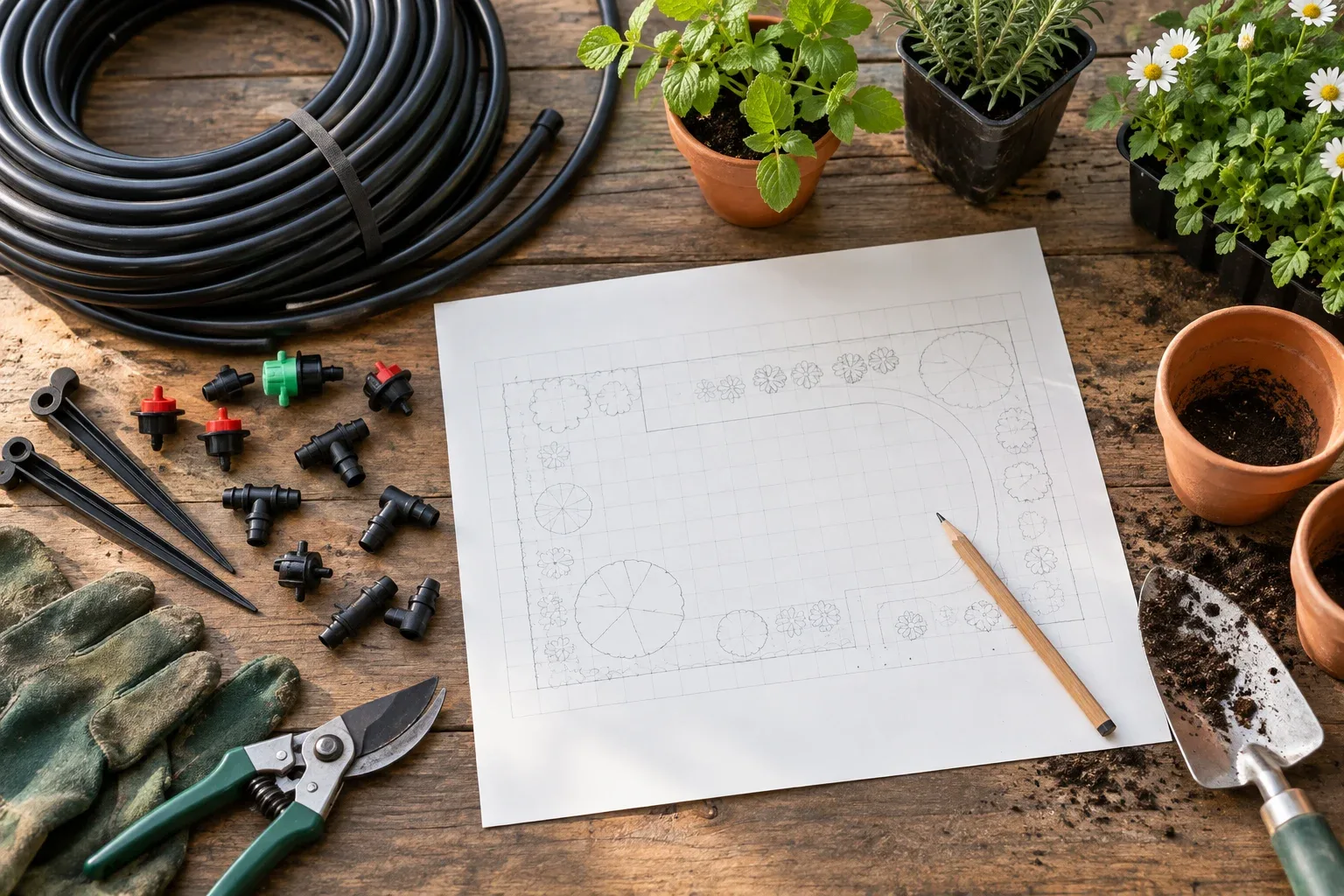 Garden irrigation
Common Irrigation Planning Mistakes
An area-based water volume is only the beginning. A working plan also needs outlet placement, operating pressure, flow, runtime and a watering window. Draw the route from source to each zone and note elevation changes. A calculator can produce a correct volume while the installation still fails to distribute it to the plants that require it.
Read guide ↗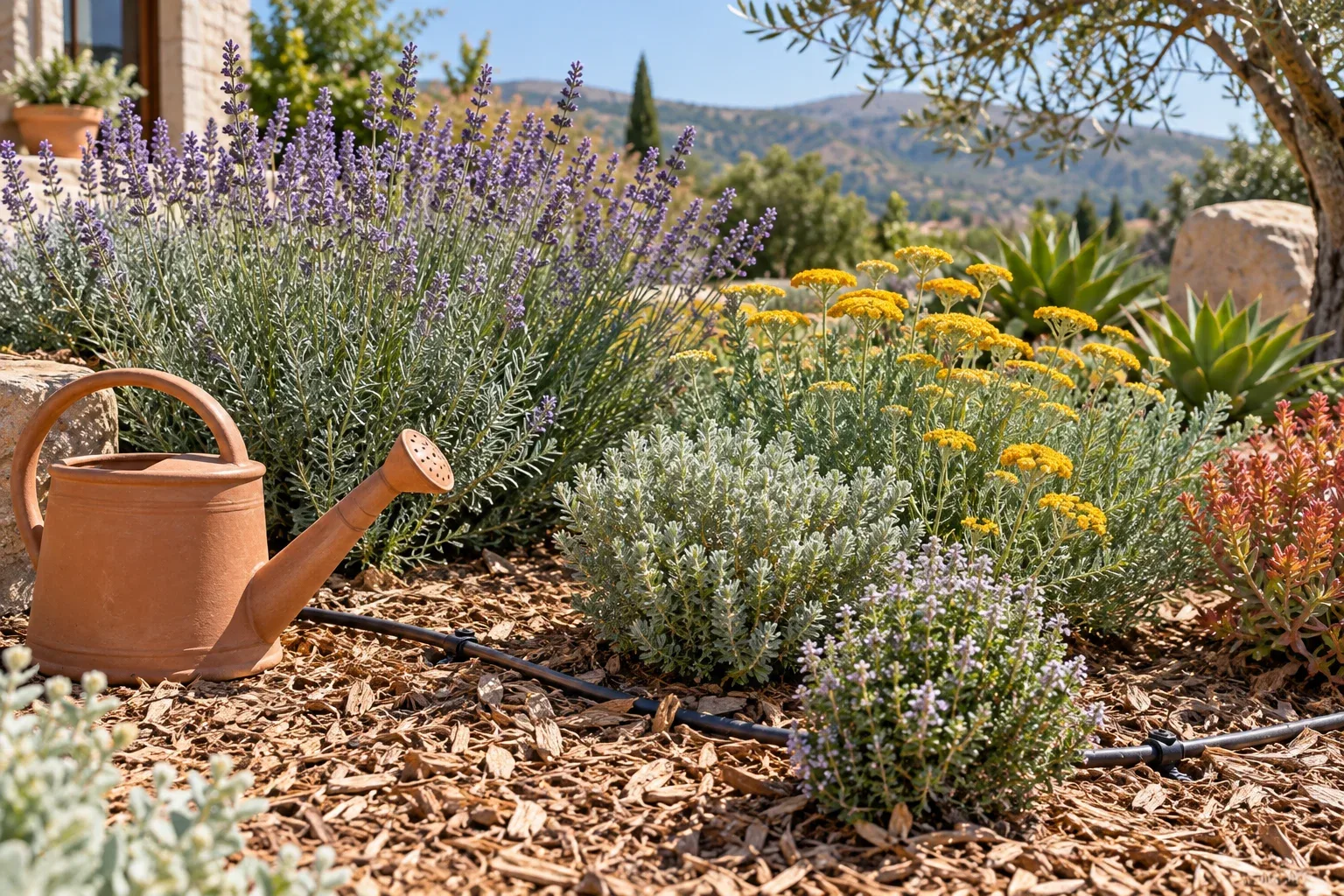 Garden irrigation
How to Reduce Garden Water Consumption
Record watering events, measured flow and runtime by zone. Note rainfall, weather and plant condition. A bill for the whole house mixes garden use with other consumption, so a submeter or event log can be useful. Establish which zones consume most before buying hardware; a small low-use bed offers less volume-saving opportunity than a poorly controlled large zone.
Read guide ↗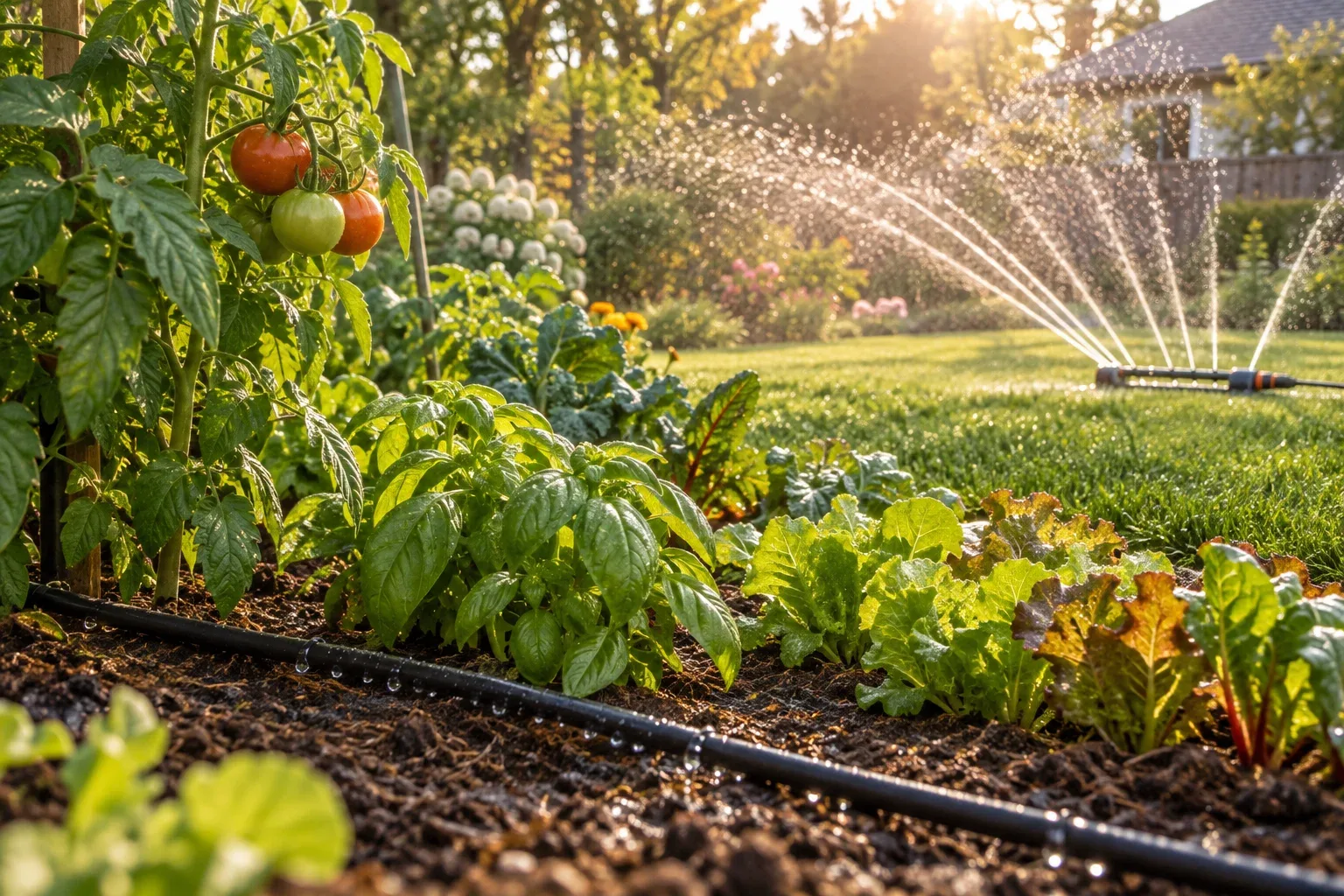 Garden irrigation
Drip Irrigation vs Sprinklers
Compare methods for the same planted area and required root-zone water. Drip can suit rows and individual plants; sprinklers can serve continuous areas where their distribution is appropriate. The comparison should include installation, filtration, pressure, maintenance and how planting changes over time. Do not select a method by quoting a universal savings percentage detached from the actual site.
Read guide ↗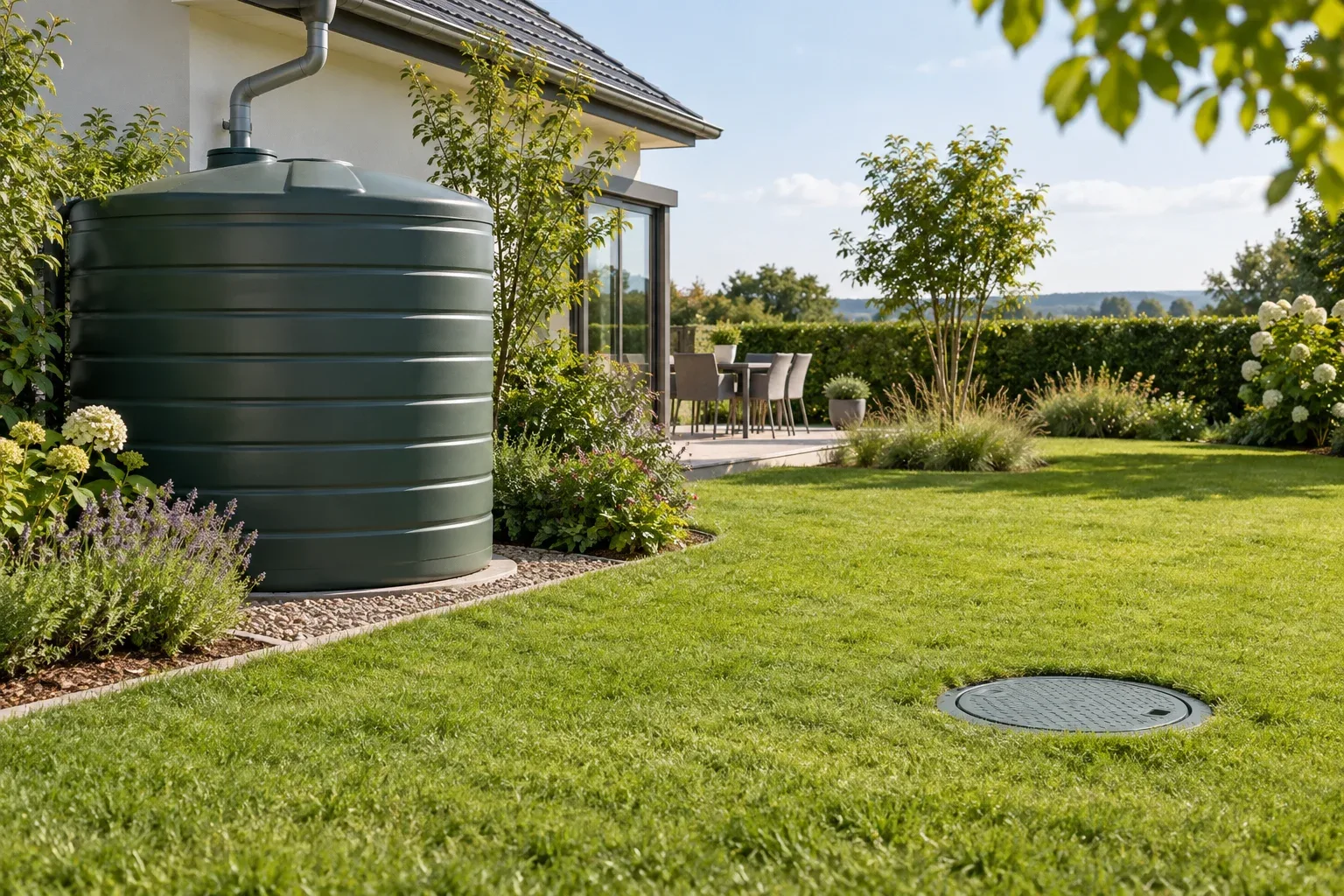 Water storage
Above-Ground vs Underground Water Tanks
Above-ground and buried storage solve different space problems. Sketch available surface area, entrances, utility routes, groundwater conditions and intended tank access. An underground option may preserve garden space, while a surface option may simplify inspection. Neither benefit establishes suitability on its own. Ground conditions and product-specific installation limits need professional assessment.
Read guide ↗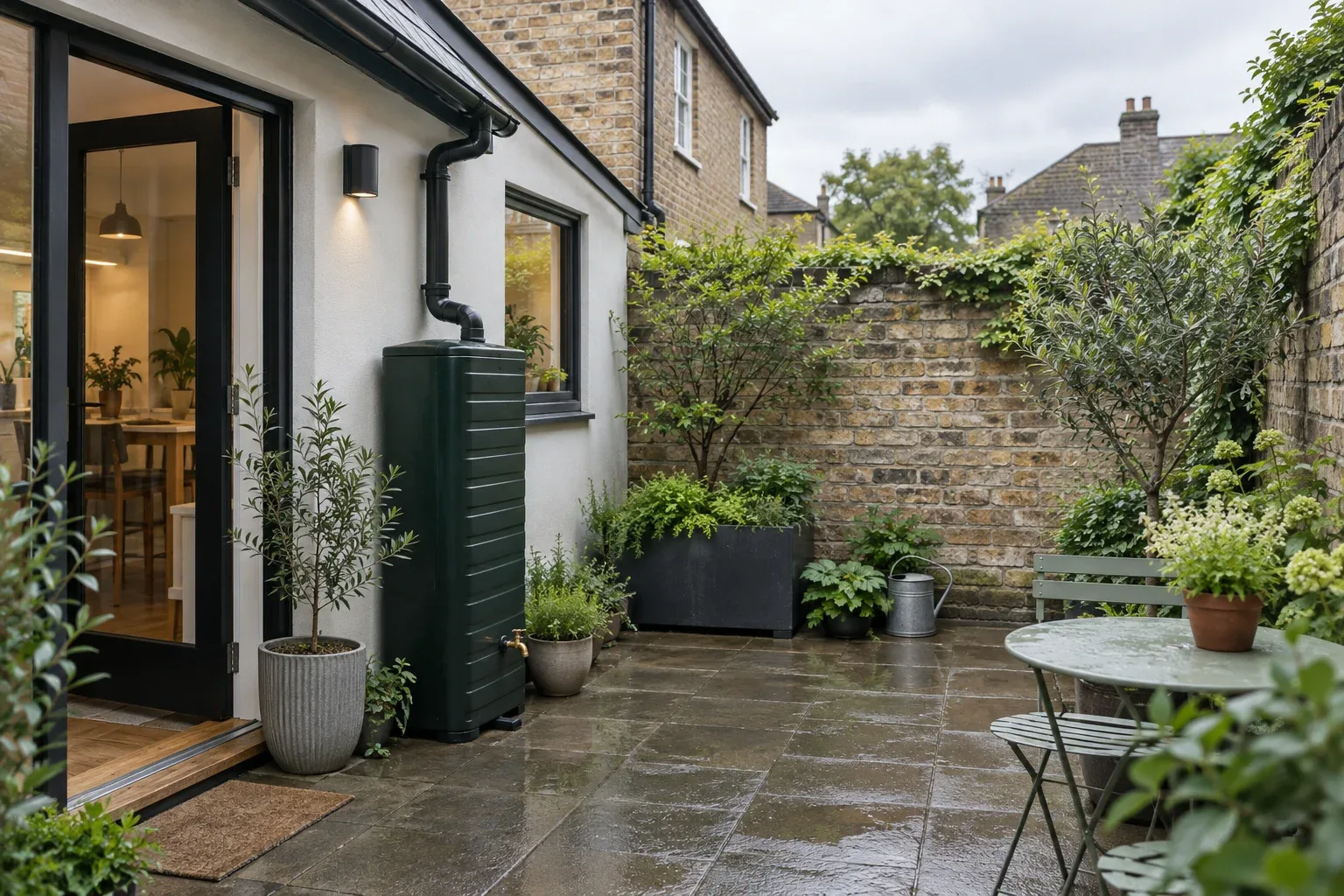 Rainwater harvesting
Rainwater Harvesting for Small Homes
For a small property, accessibility and a modest, regular demand often matter more than a large annual yield. Start with the beds or containers you genuinely water. Sketch walking routes, door clearance and the hose path. A barrel that blocks access or is awkward to empty may receive rain while contributing little useful water to daily gardening.
Read guide ↗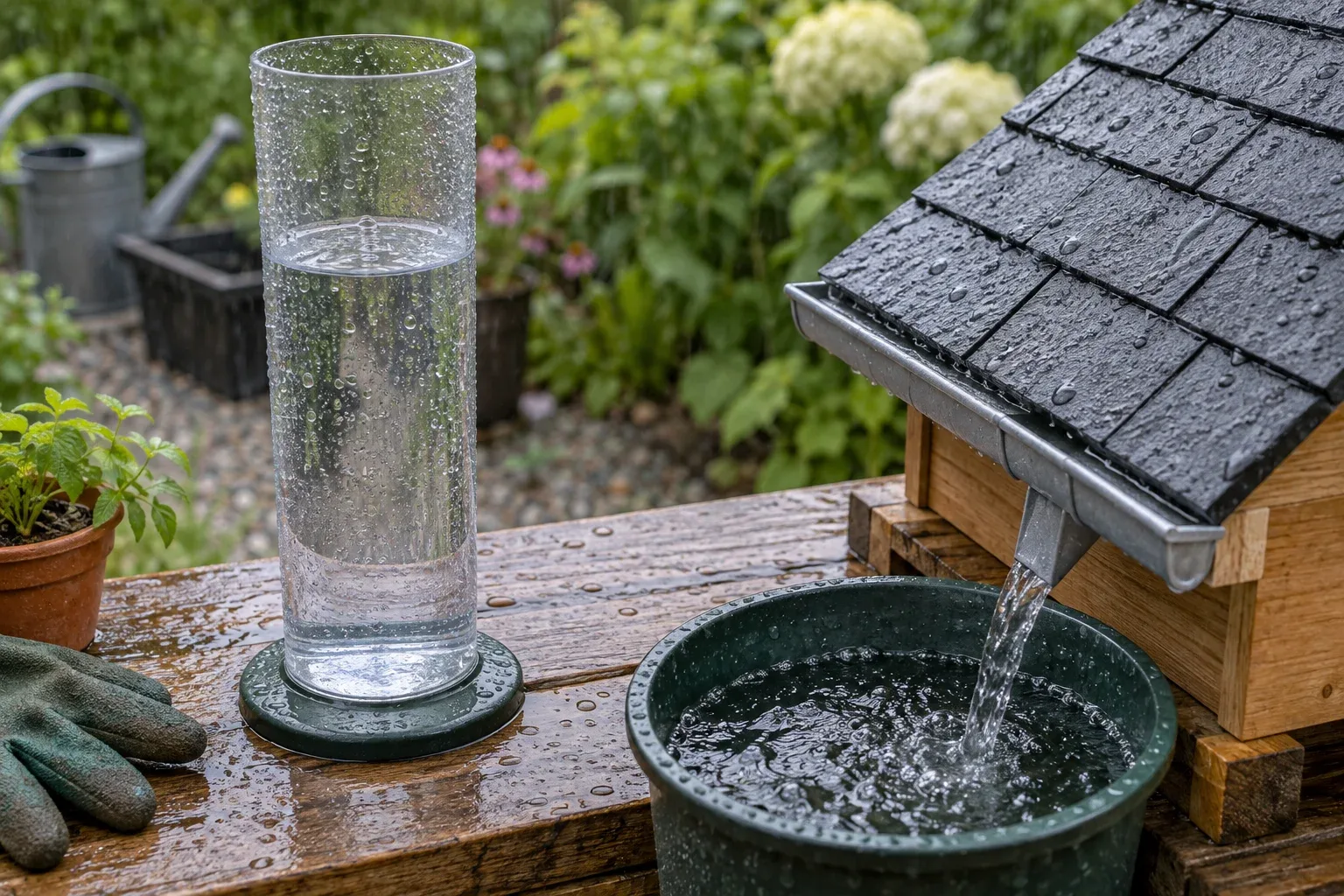 Rainwater harvesting
How Much Rainwater Can You Collect?
Specify whether you want the potential from one storm, one month or one year. Each question needs rainfall covering that same period. An annual total is useful for screening a project, but it cannot tell you whether a tank is full during a particular dry week. Keep the rainfall source, location, period and measurement unit with the result.
Read guide ↗